How to prepare for the Wardogs Season 2 update and its economy rework
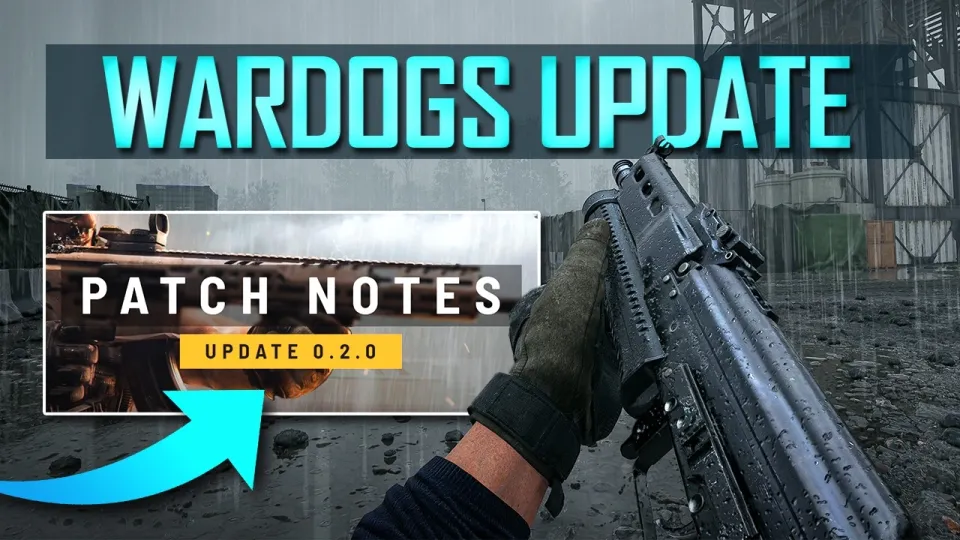
Want articles like this for your own video to promote it on YouTube and Google? Order them through the Telegram bot @sat_sit_bot. It writes articles around your video, embeds the video and publishes them on popular niche websites (no ads). Try it free: 50 articles on us.
Key takeaways
- Season 2 makes supply deliveries more profitable per pallet but requires more trips, so logistics income depends on streak bonuses rather than single runs.
- FOB construction costs and ammo resupply are rebalanced, pushing builders toward fewer, better-supported positions.
- The minigun Little Bird and other armed helicopters cost more to field, while anti-air options and a new anti-air vehicle expand.
- Low-zoom, uncluttered optics are tied to late-tier unlocks, keeping simple red dots behind progression.
- A 16% damage reduction on .50 caliber weapons changes how tier 2 armor survives hits from high-end sniper rifles.
The Wardogs Season 2 update is a broad economy and progression rework rather than a content drop: it changes how logistics deliveries pay out, raises the cost of forward operating bases and armed helicopters, reshuffles optics unlocks and adjusts vehicle and weapon balance. To prepare, focus on three things — pick a money-making role early, budget your vehicle purchases around the new prices, and re-check your optic unlocks before your first match. GhostGaming's full breakdown of the patch is the fastest way to see the whole picture, and the stream at GhostGaming on Twitch is where the practical testing happens live.
What changes in the Wardogs Season 2 update at a glance
Season 2 touches almost every way a player earns money and builds a position on the map. The headline shifts are:
- Logistics payouts are restructured around delivery streaks instead of flat per-trip income.
- FOB economics — construction and ammo resupply — are rebalanced so that a single large supply run no longer props up an entire base.
- Vehicle pricing moves up for armed helicopters, especially the minigun Little Bird, which was already hard to pay off in Season 1.
- Weapon and armor balance gets a 16% reduction on .50 caliber damage, which affects how tier 2 armor survives hits from the top sniper rifle.
- Optics progression keeps minimal, low-zoom sights behind later unlocks.
- Anti-air gets more tools, including a new anti-air vehicle, which changes how helicopters operate.
The overall direction is clear: infantry play becomes comparatively more rewarding, while support roles need planning to stay profitable.
How logistics and supply deliveries pay out now
A single pallet delivered at a 10 delivery streak pays $1,250 base plus a $2,500 bonus, so the money is in chaining deliveries rather than in one big haul. The earlier numbers circulating for streak payouts were calculated outside the combat zone, and the corrected values are in the official patch notes.
The practical consequence is that a driver who makes one long round trip earns far less than a driver who keeps a steady loop going. Trucks like the URAL still move large volumes, but the payout per unit of time rewards frequent trips. If you are the type of player who spawns a truck only when a FOB's ammo runs dry, that style of play is now much less lucrative — the system wants you running a route, not responding to emergencies.
For squad leads, this means logistics needs to be a scheduled job with a dedicated driver, not an improvised one. Two drivers running short loops will out-earn one driver doing hero runs.
How FOB construction and ammo resupply are affected
Building a forward operating base now costs more per structure and per resupply, so a FOB that was cheap to maintain in Season 1 needs a bigger supply pipeline in Season 2. The change hits hardest when a team has plenty of supplies but too few builders: stockpiling pallets no longer wins a fight if nobody swings a hammer.
The workable approach is to build fewer, tighter FOBs with short supply lines and to keep at least two players on construction during a push. A base that is overrun before its walls go up wastes both the supplies and the delivery streak bonuses that produced them. If your squad historically relied on one massive drop to fuel four bases, plan for roughly three to four times the logistics effort to reach comparable results.
Which vehicles and weapons got more expensive or weaker
The minigun Little Bird is the clearest loser of the patch: a fully loaded build with three flares runs around $14,000, and the price went up while its ability to recoup that cost did not improve. A single mistake in a $14,000 helicopter is a serious loss, and pilots who avoid kill streaks and hoard flares will struggle to break even. The trade-off is that anti-air was adjusted too, and the new anti-air vehicle plus turret options make the early season hostile to helicopters until those counters are widely unlocked.
On the ground, the 16% reduction to .50 caliber damage means tier 2 armor can survive a hit from the end-game sniper rifle in some cases, which shifts sniper duels toward head and neck hits. Small price tweaks, such as the SKS bipod moving from $800 to $810, are cosmetic by comparison but show how granular the pass was.
Why optics unlocks frustrate players and what to do about it
Minimal, low-zoom optics — the simple uncluttered red dot — remain late-tier unlocks, which means players who want a clean sight have to grind progression first. There is no shortcut in the patch: the fix is to pick weapons whose iron sights or default optics you can live with and to push the progression track that unlocks your preferred sight before spending money on attachments you will replace.
Variable zoom scopes are available, but their keybind handling has been a long-standing complaint, so bind them manually and test in a training area before taking them into a live match.
Common player concerns about the Season 2 economy
The most repeated worry is that logistics was already an unpopular job and the rework makes it more tedious for similar or lower returns. That is partly true for solo drivers and partly a matter of routing: streak bonuses reward short, repeatable loops, and a driver who commits to that loop can clear six figures in a match on a single life.
The second concern is that FOBs become obsolete if nobody wants to drive. The counter is organizational — assign logistics as a squad duty with a rotation, and treat supply runs as a scored objective rather than a chore. The third is helicopter viability: pilots are right that a $14,000 minigun build is hard to justify, so fly cheaper airframes early in the season and save armed helicopters for when the anti-air meta settles. Expect tier 3 and tier 4 armor and heavy vehicles to appear within the first few hours of launch, so do not plan your early matches around fighting stock vehicles.
Where to find the patch notes and GhostGaming's coverage
- Full patch notes: https://store.steampowered.com/news/app/1867240/view/670630562731396445
- Twitch: http://www.twitch.tv/ghostgaminggg
- Twitter: https://twitter.com/GhostGamingG
- Discord: https://discord.gg/MzkAVCy
- TikTok: https://www.tiktok.com/@ghostgaming_battlefield
Final thoughts on adapting to Wardogs Season 2
Season 2 rewards infantry play and disciplined, repeated logistics loops while punishing one-off hero runs and expensive helicopter builds. Adjust by scheduling supply routes, building fewer but better-supported FOBs, and flying cheaper aircraft until anti-air unlocks settle. The patch notes are the authority on exact numbers, and GhostGaming's video breakdown on the GhostGaming channel walks through each change in order. If you want to see the changes tested live, drop into the GhostGaming Twitch stream and ask questions in chat.
Source: WARDOGS New Season 2 Update ► EVERYTHING You Need To Know · Markdown version
Questions & answers
How much does a supply pallet pay in Wardogs Season 2?
A pallet delivered at a 10 delivery streak pays $1,250 base plus a $2,500 bonus. The earlier figures that circulated were measured outside the combat zone, and the corrected values are listed in the official patch notes.
Is the minigun Little Bird still worth buying in Season 2?
It is much harder to justify. A fully loaded build with three flares costs around $14,000, and the price went up without a matching increase in earning potential. Unless you reliably chain kill streaks and conserve flares, fly a cheaper airframe early in the season.
Why do FOBs feel weaker after the update?
Construction and ammo resupply costs were rebalanced upward, so maintaining a base requires a steadier supply pipeline. Teams that stockpile pallets without enough builders lose bases before walls go up, and reaching Season 1 results can take three to four times the logistics effort.
How do I unlock a simple red dot sight?
Low-zoom, minimal optics remain late-tier unlocks, so you have to push the relevant progression track before you can equip a clean red dot. In the meantime, use weapons with usable default sights and avoid spending money on attachments you will replace.